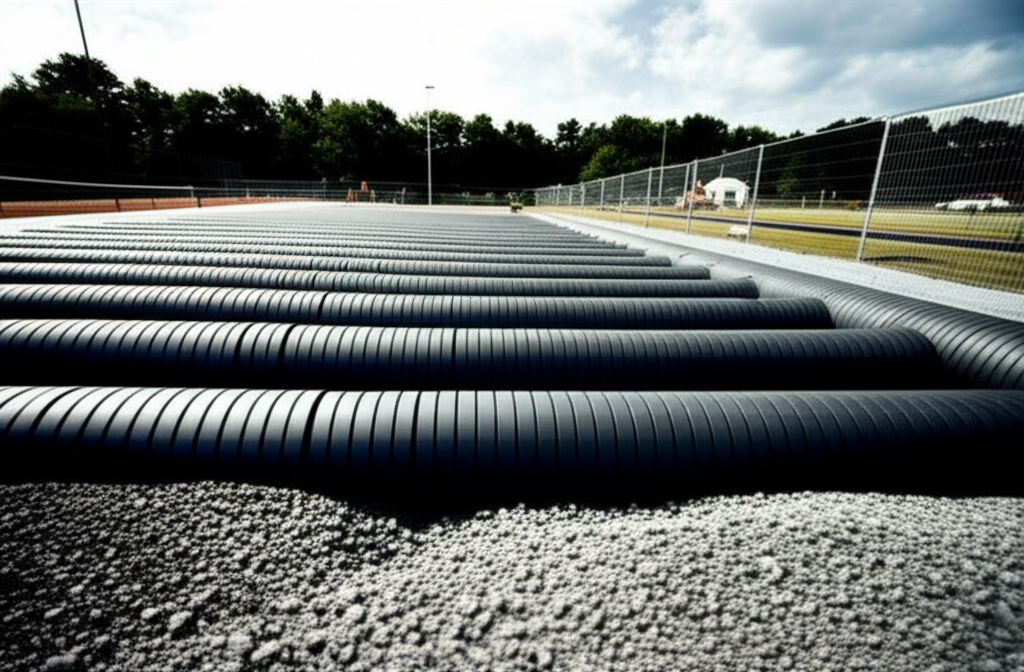
Essential guide to court drainage systems including design principles, installation requirements, maintenance tips, and problem solving for water issues.
Why Maintenance Matters
Proper maintenance is the key to maximizing your sports surface investment. Regular care prevents minor issues from becoming major expenses.
Regular Inspection
Conduct monthly visual inspections to identify potential issues early. Look for cracks, drainage problems, surface wear, and equipment damage.
Cleaning Procedures
Regular cleaning prevents buildup of debris, algae, and stains that can damage surfaces and create safety hazards.
Preventive Maintenance
Preventive maintenance tasks help avoid costly repairs and extend surface lifespan significantly.
Seasonal Considerations
Different seasons present unique maintenance challenges and opportunities. Plan maintenance activities around weather patterns and usage schedules.
When to Call Professionals
While many maintenance tasks can be handled in-house, some situations require professional expertise to avoid damage or safety issues.
Maintenance Records
Keep detailed records of all maintenance activities, repairs, and improvements. This documentation helps with warranty claims and planning future maintenance.
Frequently Asked Questions
Why is proper drainage critical for sports courts?
Poor drainage is the #1 cause of premature court failure. Standing water causes cracking, surface deterioration, algae growth, and foundation damage. Proper drainage systems add $3,000-$10,000 to construction but prevent $15,000-$50,000 in future damage.
What slope should sports courts have for drainage?
Courts need minimum 1% slope (1 inch drop per 10 feet) for surface drainage. Optimal slope is 1-2% in one direction. Avoid slopes over 2% as they affect ball roll and player comfort. Slope should be consistent and imperceptible during play.
What are the different types of court drainage systems?
Surface drainage uses slopes and channel drains to move water off courts. Subsurface drainage includes French drains and perforated pipes to handle groundwater. Permeable surfaces allow water to pass through directly. Most courts need both surface and subsurface drainage.
How do you fix drainage problems on existing courts?
Solutions depend on the issue: add channel drains for surface water, install French drains for groundwater, seal cracks to prevent water penetration, or improve site grading. Major drainage problems may require complete reconstruction with proper drainage design.
Conclusion
This comprehensive guide provides the essential information you need for court drainage systems: preventing water damage. For personalized advice and professional installation services, contact local sports surface contractors through our verified directory.