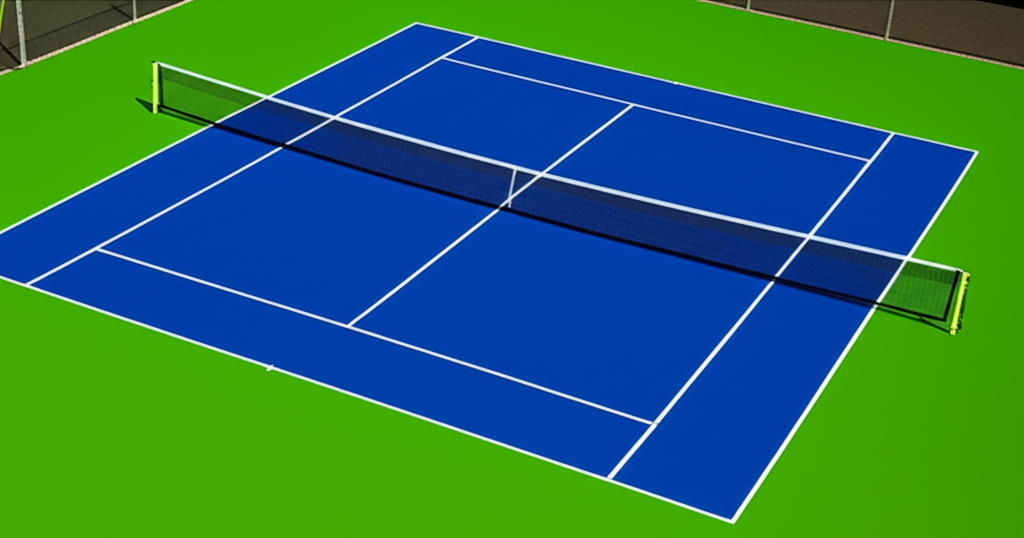
Comprehensive comparison of acrylic and cushioned tennis court surfaces including performance characteristics, costs, maintenance, and player benefits.
Introduction to Tennis
Tennis facilities require specialized knowledge and expertise for optimal performance and safety.
Technical Specifications
Professional tennis facilities must meet specific dimensional and performance standards to ensure fair play and participant safety.
Surface Options
Different surface materials offer varying performance characteristics, costs, and maintenance requirements.
Installation Process
Proper installation is critical for surface performance and longevity. The process typically involves:
- Site preparation and excavation
- Base construction and compaction
- Drainage system installation
- Surface application and curing
- Line marking and finishing
Maintenance Requirements
Regular maintenance extends surface life and ensures consistent performance. Develop a maintenance schedule appropriate for usage levels and climate conditions.
Popular Upgrades
Consider these popular additions to enhance your tennis facility:
- LED lighting systems
- Fencing and windscreens
- Spectator seating
- Storage solutions
- Shade structures
Frequently Asked Questions
What's the difference between acrylic and cushioned court surfaces?
Acrylic surfaces are hard and fast with minimal shock absorption, costing $4-8/sq ft. Cushioned surfaces add rubber layers for joint protection and slower play, costing $6-12/sq ft. Cushioned systems reduce impact by 20-40%.
Are cushioned tennis courts worth the extra cost?
Cushioned courts are worth it for players concerned about joint health, older players, or high-usage facilities. They reduce injury risk and fatigue but cost 30-50% more than standard acrylic. The investment pays off through reduced player injuries and longer playing sessions.
Do cushioned courts play differently than hard courts?
Yes, cushioned courts play slower with higher ball bounce and more spin potential. They favor baseline players over serve-and-volley styles. Professional tournaments typically use hard acrylic for faster, more aggressive play styles.
Which surface lasts longer: acrylic or cushioned?
Standard acrylic surfaces last 5-8 years before resurfacing. Quality cushioned systems last 8-12 years due to the protective rubber layers that resist cracking and wear. Maintenance costs are similar for both surface types.
Conclusion
This comprehensive guide provides the essential information you need for acrylic vs cushioned court surfaces: which is better?. For personalized advice and professional installation services, contact local sports surface contractors through our verified directory.