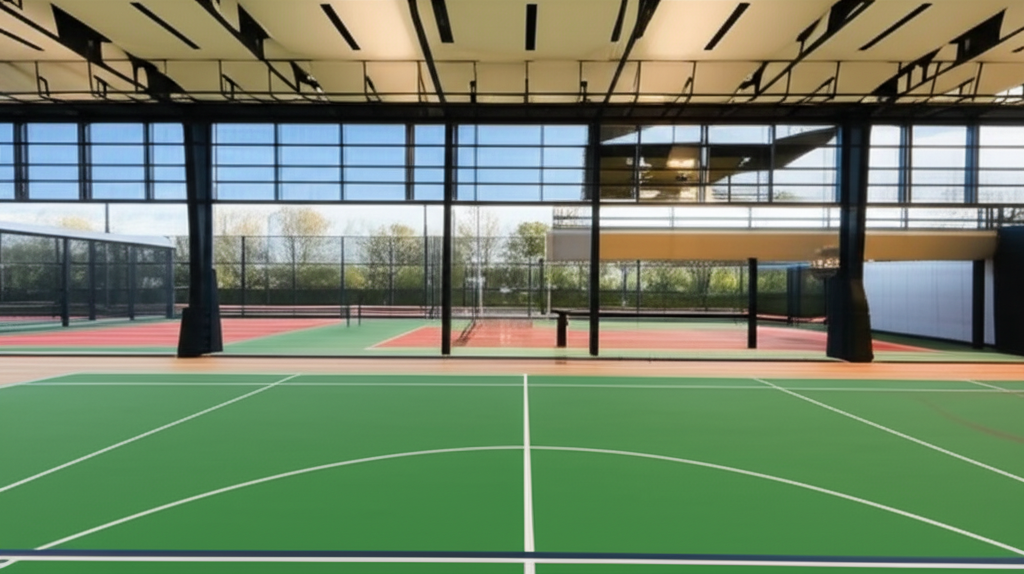
Detailed comparison of indoor vs outdoor sports court construction including costs, benefits, climate considerations, and ROI analysis.
Industry Overview
The sports surface industry continues to evolve with new technologies, materials, and best practices emerging regularly.
Current Market Trends
Understanding current market trends helps stakeholders make informed decisions about investments and business strategies.
Technology Innovations
New technologies are improving surface performance, installation efficiency, and maintenance requirements across all sports surface categories.
Regulations and Standards
Industry standards and regulations ensure safety, performance, and consistency across installations. Stay current with relevant standards for your projects.
Best Practices
Following industry best practices ensures optimal results and long-term success for sports surface projects.
Future Outlook
The sports surface industry outlook remains positive with continued growth in both recreational and competitive sports participation.
Frequently Asked Questions
How much more do indoor courts cost than outdoor?
Indoor courts cost 3-5x more than outdoor courts due to building structure, HVAC, lighting, and electrical systems. A basic outdoor court costs $25,000-$60,000 while an indoor facility costs $100,000-$300,000+ per court including building.
What are the advantages of indoor courts?
Indoor courts offer year-round playability, climate control, consistent lighting, protection from weather, higher utilization rates (2,000+ hours/year vs 500-800 for outdoor), and premium pricing potential for facility operators.
Do indoor courts require different surfaces?
Indoor courts can use the same acrylic surfaces as outdoor courts but don't need UV protection. Cushioned surfaces are more common indoors for comfort. Proper ventilation prevents moisture issues that can damage surfaces.
What climate conditions favor indoor vs outdoor courts?
Indoor courts make sense in regions with harsh winters, excessive heat (over 95°F regularly), high rainfall, or short outdoor seasons. Outdoor courts are cost-effective in moderate climates with 8+ months of good playing weather.
Conclusion
This comprehensive guide provides the essential information you need for indoor vs outdoor court construction: complete comparison. For personalized advice and professional installation services, contact local sports surface contractors through our verified directory.